
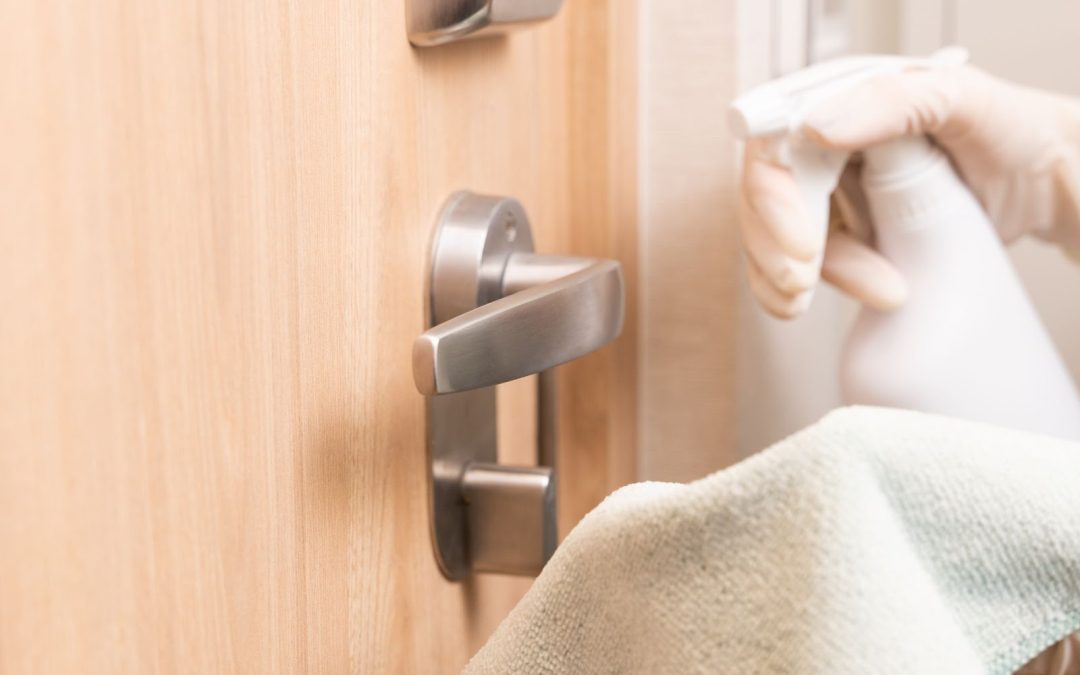
Germs spread fast in busy homes and shared spaces, especially on high-touch surfaces. Every light switch, faucet, and doorknob collects bacteria, viruses, and allergens throughout the day. Disinfecting high-touch surfaces prevents illness and promotes a safer environment for everyone inside.
This guide shows you how to disinfect effectively. You’ll learn to identify germ-prone areas, choose the right products, clean with proper techniques, and build consistent hygiene habits that support long-term health. Whether you’re deep cleaning your home or protecting your workspace, these expert tips help you stay ahead of germs and maintain a healthier space.
What are high-touch surfaces?
High-touch surfaces collect germs quickly because people touch them constantly. These areas spread bacteria, viruses, and allergens throughout homes and workplaces. Regular disinfection keeps these surfaces from becoming hotspots for illness.
High-touch surfaces at home
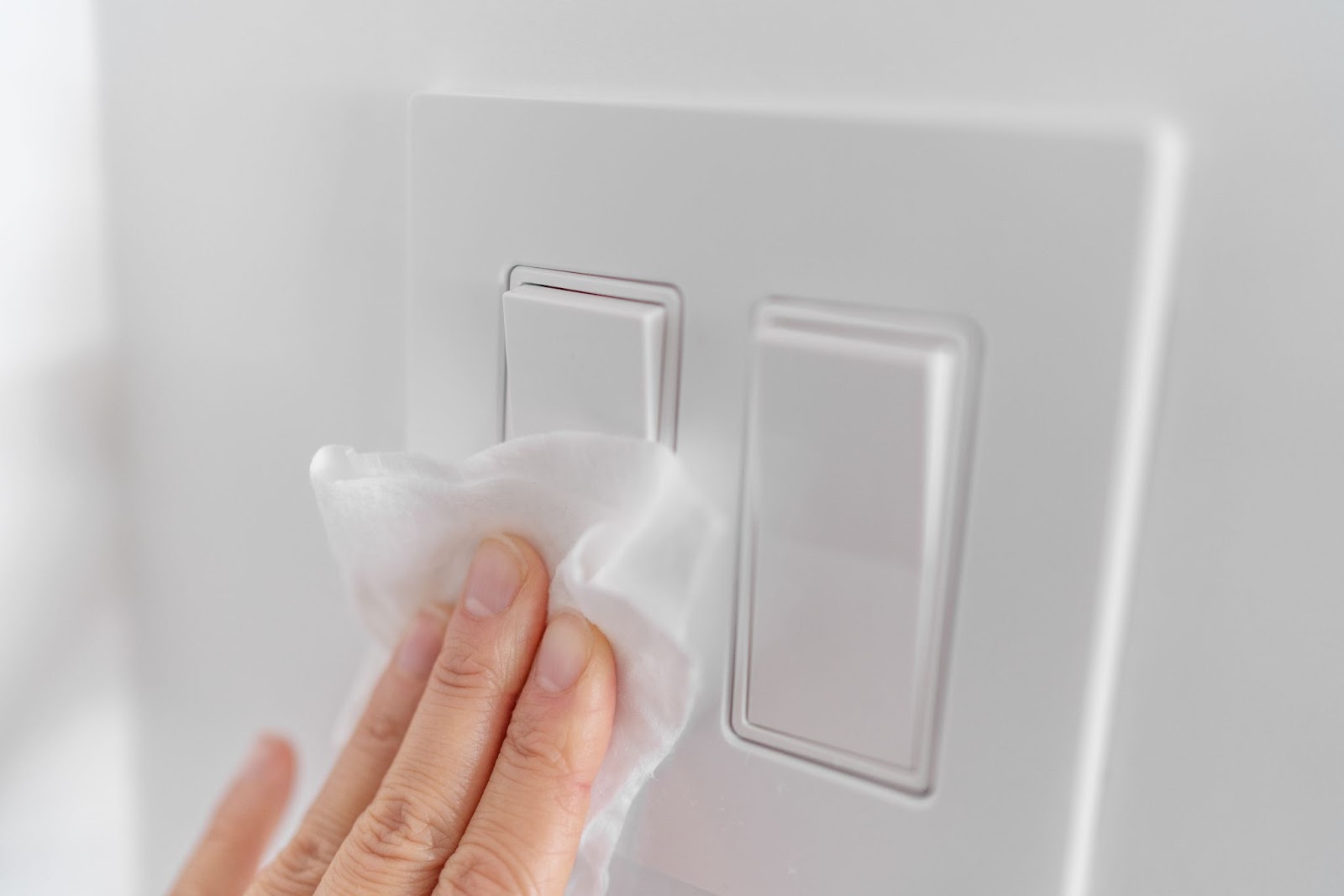
Household items like doorknobs, light switches, faucet handles, remote controls, and refrigerator doors see frequent use. Children, pets, and visitors increase contact, making daily disinfection vital for maintaining a hygienic home.
High-touch surfaces in offices and commercial spaces
Workplaces feature shared surfaces that increase germ transmission. Prioritize disinfecting elevator buttons, handrails, desks, phones, keyboards, and communal appliances like microwaves and coffee makers. Consistent cleaning reduces sick days and supports a healthier work environment.
Why disinfecting high-touch surfaces matters
Cleaning removes visible dirt, but disinfection kills the germs that linger after surfaces look clean. Bacteria, viruses, and fungi survive on doorknobs, switches, and handles for hours or even days. Cold and flu viruses often remain active for 48 hours, and bacteria like E. coli or MRSA last even longer.
Touching a contaminated surface and then your face or food spreads illness quickly, often before symptoms start. Disinfecting high-touch areas limits this transfer and lowers the risk of flu, COVID-19, and other infections. Regular disinfection improves hygiene, supports wellness, and creates a safer space for families, coworkers, and guests.
Choose the right disinfectants
The disinfectant you use matters. Some products kill germs quickly and safely, while others damage surfaces or pose health risks. Choose your disinfectant based on the surface, environment, and who lives in the space.
Use EPA-approved disinfectants
Look for disinfectants on the EPA’s List N. These kill viruses and bacteria like flu, colds, and COVID-19 and are available in convenient sprays and wipes.
Try alcohol-based sprays
Pick solutions with at least 70% alcohol. They disinfect quickly and work well on electronics without leaving residue.
Use hydrogen peroxide or diluted bleach
Hydrogen peroxide cleans without toxic fumes. For stubborn germs, use a bleach mix (4 teaspoons per quart of water), but always ventilate the room and never mix it with other cleaners.
Avoid harsh chemicals on delicate surfaces
Skip alcohol and bleach on marble, granite, and unfinished wood. Instead, use surface-specific or plant-based alternatives.
Prioritize non-toxic products for families
In homes with pets or children, pick biodegradable, fragrance-free options from trusted brands like Seventh Generation, Force of Nature, or CleanWell.
Step-by-step disinfection process
An effective disinfection routine starts with the right steps in addition to the right products. To truly reduce the spread of germs, follow a consistent process that covers visible dirt and invisible bacteria.
Start with safety and ventilation
Wear disposable or reusable gloves before handling any cleaning solution. Open windows or use fans to maintain airflow. Proper ventilation protects your lungs from strong fumes and improves surface drying time.
Remove visible dirt first
Clean each surface with warm water and mild soap if it looks dusty or grimy. This step prepares the area for effective disinfection by removing particles that block cleaning agents from reaching germs.
Apply disinfectant thoroughly
Spray or wipe the disinfectant directly onto the surface. Cover the entire area evenly, including corners and edges. Always read the product label and follow usage instructions to ensure maximum effectiveness.
Let the product sit
Allow the disinfectant to stay wet on the surface for the full contact time listed on the label. Most disinfectants require up to 10 minutes to kill germs effectively. Resist the urge to wipe it off early.
Dry or wipe with microfiber
After the proper dwell time, let the surface air dry or clean it using a fresh microfiber cloth. Microfiber traps leftover particles and minimizes streaks, leaving the surface clean and polished.
Pro tips for thorough disinfection
- Work in zones. Clean one room at a time to stay organized and avoid missing spots.
- Target high-touch and hidden areas like drawer handles, backs of chairs, and remote controls.
- Disinfect shared tech and electronics frequently using alcohol-based wipes safe for screens.
- Wash your hands thoroughly after removing gloves and storing supplies.
Following a step-by-step process turns disinfection into a powerful habit. With consistency, you create a healthier space for everyone who walks through your door.
How often to disinfect high-touch surfaces
Daily disinfection for high-traffic spaces
In busy homes, schools, offices, or households with immunocompromised individuals, disinfect high-touch surfaces at least once per day. Focus on doorknobs, light switches, remote controls, faucet handles, and shared electronics. Disinfecting multiple times throughout the day may help during cold and flu season or when someone in the home feels sick.
Weekly maintenance for lower-risk homes
In smaller or lower-traffic households, aim to disinfect high-touch surfaces once or twice a week. Continue cleaning with soap and water to remove visible dirt, and layer in disinfection to eliminate hidden bacteria or viruses. Weekly upkeep helps prevent buildup while reducing exposure to harsh chemicals.
Adjust your schedule as needed
Consider your family’s size, routines, and recent activity. Increase your disinfecting frequency after hosting guests, traveling, or recovering from illness. Pet owners and parents with young children may also benefit from cleaning more often, especially in kitchens, bathrooms, and play areas.
A flexible disinfection routine protects your home and your health without disrupting your day. Whether you clean daily or weekly, consistency creates a safer, more comfortable environment for everyone.
Trust Daisy Maids to protect your space with expert disinfection
Keeping high-touch surfaces clean supports a healthier home or workplace, but staying on top of disinfecting routines takes time, energy, and the right products. Trust Daisy Maids to step in when your schedule feels full or you want peace of mind that every surface has been properly treated.
Our trained professionals use safe, effective disinfectants to eliminate harmful germs, bacteria, and allergens throughout your space. Whether you need a one-time deep clean or ongoing sanitizing support, we tailor our services to your needs and deliver results you can see and feel.
Protect your loved ones, guests, or team members with a healthier environment. Book your disinfecting service with Daisy Maids today and let us handle the grime while you focus on what matters most.